
The US real estate market has experienced significant fluctuations and challenges in recent years, influenced by various factors such as economic conditions, government policies, and global events. As we enter the last four months of 2024, it is essential to analyze current trends and forecast the future trajectory of the real estate market. In this article, Kolorheaven will examine the key factors shaping the US real estate market and provide insights into what we can expect in the final months of the year.
Overview of the Current Real Estate Landscape:
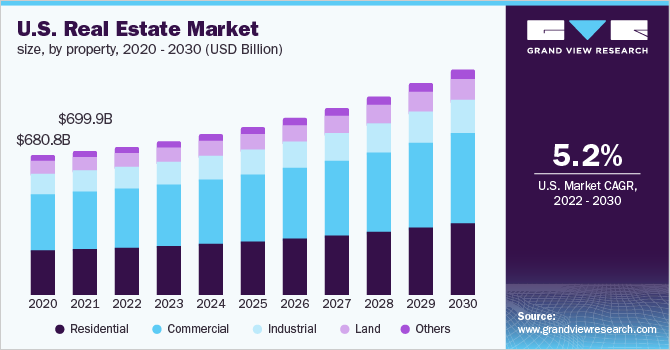
- Despite the challenges posed by the COVID-19 pandemic, the US real estate market has shown remarkable resilience, with strong demand for both residential and commercial properties.
- Low mortgage rates, demographic trends, and a robust economy have contributed to a surge in homebuying activity, leading to increased home prices and competition among buyers.
- The commercial real estate sector has faced unique challenges, particularly in office and retail spaces, as remote work and e-commerce trends reshape the way businesses operate.
Factors Influencing the Market Forecast:
a. Economic Indicators:
Economic growth, employment rates, and inflation levels will continue to influence consumer confidence and purchasing power, impacting both residential and commercial real estate sectors.
b. Mortgage Rates
Any changes in mortgage rates will affect affordability and housing demand, potentially moderating home price growth or stimulating refinancing activity.
c. Supply and Demand Dynamics
The balance between housing supply and demand remains a critical factor in determining price trends and market conditions, particularly in high-demand metropolitan areas.
d. Government Policies
Federal and state-level policies related to housing finance, taxation, and regulation can have significant implications for the real estate market, shaping investor behavior and market sentiment.
Forecast for Residential Real Estate:

- Home prices are expected to continue rising, albeit at a slower pace, as affordability constraints and supply shortages temper buyer demand.
- Millennials and younger generations will drive housing demand, particularly in suburban and secondary markets, seeking affordability, space, and lifestyle amenities.
- Inventory challenges may persist, with limited new construction and existing homeowners hesitant to sell amidst uncertainty and rising prices.
Forecast for Commercial Real Estate:
- The office sector will continue to face challenges as remote work becomes more prevalent, leading to increased vacancy rates and downward pressure on rents in some markets.
- Industrial and logistics properties are expected to remain strong, driven by e-commerce growth and demand for distribution centers and fulfillment facilities.
- Retail real estate will undergo transformation, with a focus on experiential retail concepts, mixed-use developments, and adaptive reuse projects to revitalize vacant spaces.
Regional Variations and Market Opportunities:

- Regional disparities will persist, with certain markets experiencing stronger growth and resilience than others based on local economic conditions, population growth, and housing affordability.
- Emerging markets in the Sun Belt region, such as Texas, Florida, and Arizona, are poised for continued growth, attracting both residents and investors seeking affordability and favorable business environments.
Risks and Challenges:
- Potential risks to the real estate market include geopolitical tensions, natural disasters, supply chain disruptions, and unexpected shifts in consumer behavior or market sentiment.
- Rising construction costs, labor shortages, and regulatory uncertainties may hinder new development projects and exacerbate housing affordability challenges in some markets.
Conclusion
As we navigate the last four months of 2024, the US real estate market remains dynamic and resilient, driven by a combination of economic factors, demographic trends, and evolving consumer preferences. While challenges and uncertainties persist, there are also opportunities for investors, developers, and homebuyers to capitalize on emerging trends and market dynamics. By staying informed, monitoring key indicators, and adapting to changing conditions, stakeholders can position themselves for success in the ever-evolving real estate landscape.
In summary, the US real estate market forecast for the last four months of 2024 is characterized by cautious optimism, tempered by lingering uncertainties and challenges. However, with careful planning, strategic investments, and a focus on innovation and resilience, the real estate industry can navigate through the remaining months of the year and emerge stronger and more resilient in the face of adversity.
Contact us now:
- Website: https://kolorheaven.com
- Fanpage: https://www.facebook.com/Kolorheaven.services
- Phone: 089 977 91 11
- Email: kolorheaven@cskolorheaven.com
- Work office: 22 TT1 – Tu Hiep auction site, Thanh Tri, Hanoi.
- Designing office: Block TT 56-57, Tran Thu Do road, Ngu Hiep, Thanh Tri, Hanoi, Vietnam