
The world of real estate photography is constantly evolving, with new trends and techniques emerging regularly. To stay competitive and capture the attention of potential buyers, it’s essential to keep up with the latest trends in real estate photo editing. This article explores some of the key trends shaping the industry and provides insights on how to incorporate them into your workflow.
10 Real Estate Photo Editing Trends
1. HDR Photography
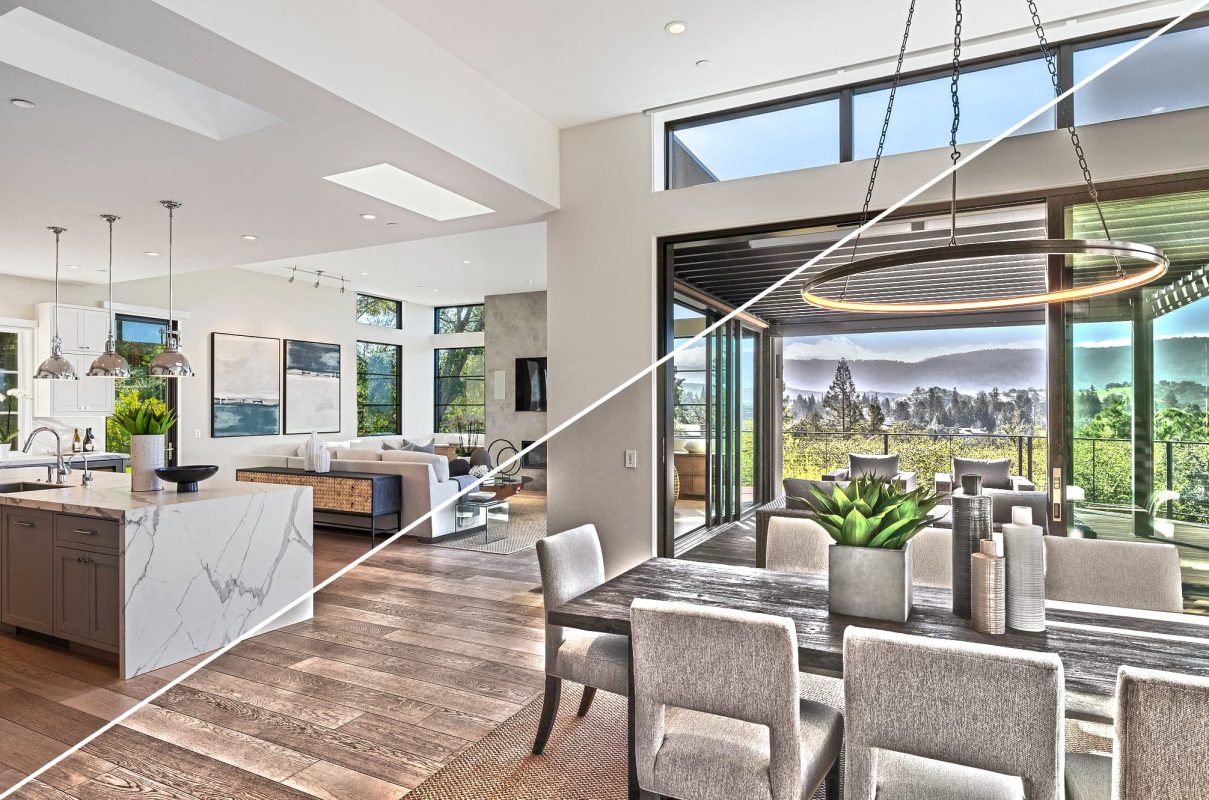
High Dynamic Range (HDR) photography has become increasingly popular in real estate photography. By combining multiple exposures, HDR can capture a wider range of details, especially in scenes with high contrast. This technique is particularly effective for showcasing properties with large windows or bright interiors.
2. Drone Photography
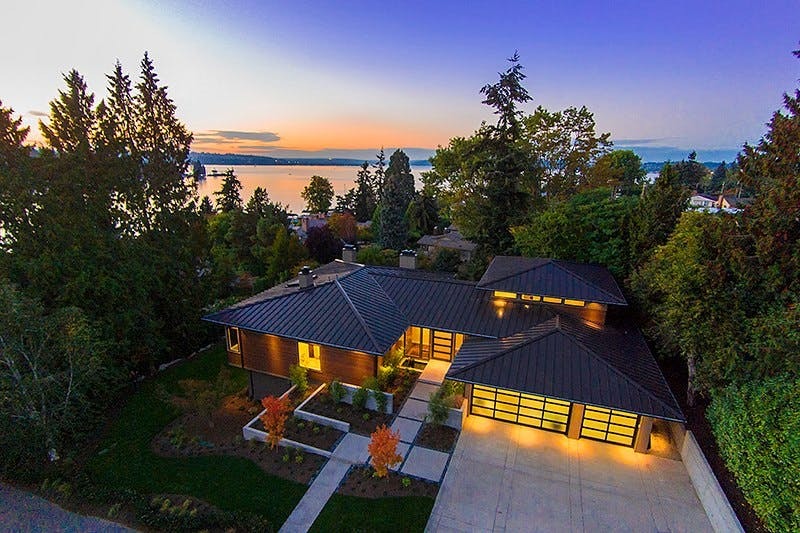
Drones offer a unique perspective that can significantly enhance real estate photography. By capturing aerial shots, you can showcase the property’s surroundings, amenities, and overall context. Drone photography is especially effective for properties with scenic views or unique architectural features.
3. Virtual Staging
Virtual staging involves digitally adding furniture and décor to vacant properties. This technique helps potential buyers visualize the space and its potential uses. It’s a cost-effective way to make empty properties more appealing and marketable.
4. 360-Degree Photography
360-degree photography allows viewers to virtually walk through a property, providing a more immersive experience. This technology is becoming increasingly popular and can be used to create interactive virtual tours.
5. Social Media Optimization
With the rise of social media, it’s essential to optimize your real estate photos for sharing. This includes considering factors like image size, aspect ratio, and visual appeal. Using eye-catching visuals can help your listings stand out on platforms like Instagram and Facebook.
6. AI-Powered Editing Tools
Artificial intelligence (AI) is making significant advancements in photo editing. AI-powered tools can automate tasks like color correction, noise reduction, and even object removal, saving time and effort.
7. Mobile Photography
The quality of smartphone cameras has improved dramatically, making them a viable option for capturing real estate photos. Mobile apps offer a range of editing features, making it easier to edit and share images directly from your phone.
8. Virtual Reality (VR) Tours
VR technology is gaining traction in real estate, allowing potential buyers to experience properties virtually. By combining 360-degree photography with VR headsets, you can create immersive experiences that help buyers connect with the property on a deeper level.
9. Focus on Authenticity
While editing is essential for enhancing images, it’s important to maintain authenticity. Avoid excessive manipulation that can distort the property’s true appearance. Focus on showcasing the property’s unique features and creating a realistic representation.
10. Storytelling Through Photography
Real estate photography is not just about capturing images; it’s about telling a story. Use your photography to evoke emotions and create a connection with potential buyers. Consider the property’s unique features, the surrounding neighborhood, and the lifestyle it offers when planning your photoshoot.

Conclusion
Staying up-to-date with the latest trends in real estate photo editing is essential for staying competitive. By incorporating these trends into your workflow, you can create more engaging and effective marketing materials that attract potential buyers and drive sales. Remember, the goal is to showcase properties in their best light while maintaining authenticity and professionalism.
Contact us now:
- Website: https://kolorheaven.com
- Fanpage: https://www.facebook.com/Kolorheaven.services
- Phone: 089 977 91 11
- Email: kolorheaven@cskolorheaven.com
- Work office: 22 TT1 – Tu Hiep auction site, Thanh Tri, Hanoi.
- Designing office: Block TT 56-57, Tran Thu Do road, Ngu Hiep, Thanh Tri, Hanoi, Vietnam