

In the competitive world of real estate, captivating imagery plays a pivotal role in attracting potential buyers and making properties stand out in the market. While professional photography lays the foundation for stunning visuals, real estate retouching takes the imagery to the next level by enhancing its appeal and perfecting perceptions. In this article, Kolorheaven will explore advanced retouching techniques tailored specifically for real estate photography to create spectacular property imagery that leaves a lasting impression.
The Importance of Real Estate Retouching
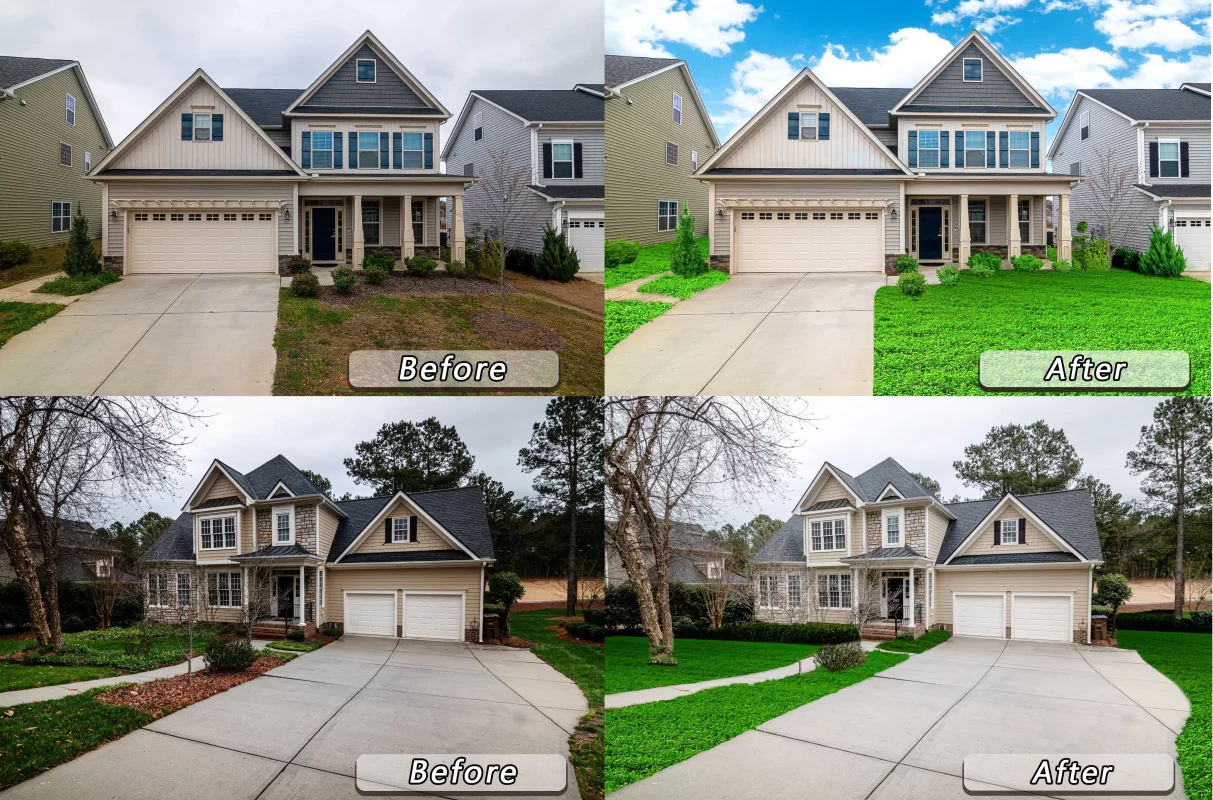
In today’s digital age, where first impressions are often made online, high-quality visuals are essential for capturing the attention of prospective buyers. Real estate retouching allows photographers and marketers to showcase properties in the best possible light, highlighting their key features and creating an emotional connection with potential buyers. By perfecting perceptions through retouching, real estate professionals can significantly increase the perceived value of properties and accelerate the sales process.
Selecting the Right Images
Before diving into retouching, it’s crucial to start with a selection of high-quality images that showcase the property in its best light. Choose images that are well-composed, properly exposed, and free of distracting elements. Select a variety of angles and perspectives to provide a comprehensive view of the property’s features and amenities.
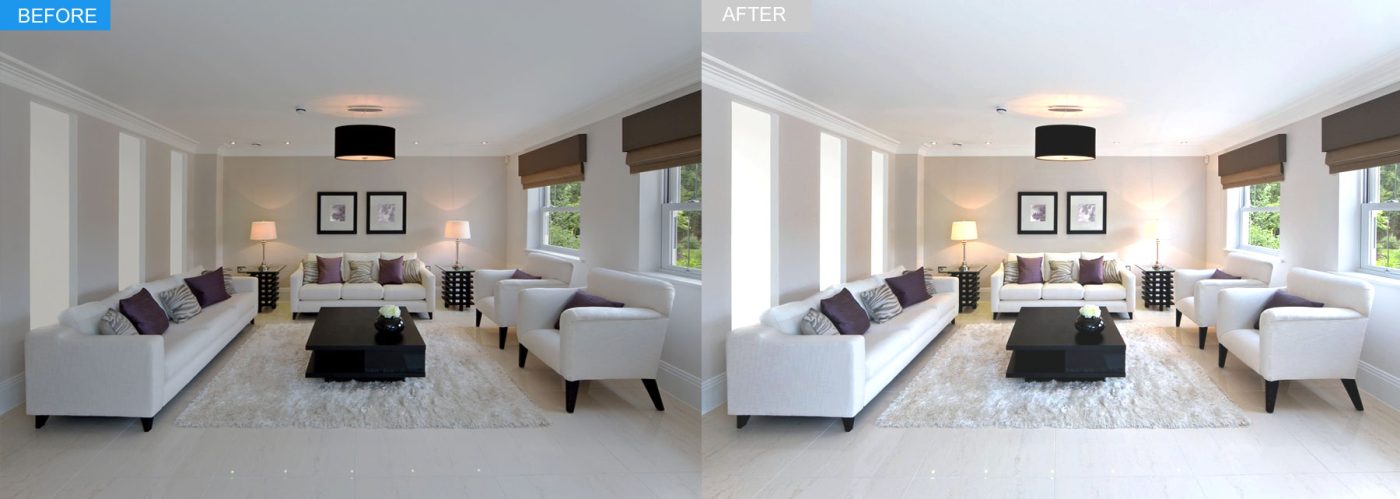
7 Real Estate Retouching Techniques
Correcting Exposure and Color Balance
The first step in real estate retouching is to correct exposure and color balance to ensure that the images are visually appealing and true to life. Adjust exposure levels to balance highlights and shadows, bringing out details in both bright and dark areas. Fine-tune color balance to remove any color casts and ensure accurate representation of colors throughout the image.
Enhancing Details and Sharpness
To make the property imagery truly stand out, focus on enhancing details and increasing sharpness. Use tools like sharpening and clarity adjustments to add crispness and definition to key elements such as architectural features, interior décor, and landscaping. Be careful not to overdo it, as excessive sharpening can result in unnatural-looking images.
Removing Distractions and Blemishes
One of the primary goals of real estate retouching is to create clean, clutter-free images that allow potential buyers to focus on the property’s key selling points. Use cloning and healing tools to remove any distractions or blemishes from the image, such as dust spots, reflections, or unwanted objects. Pay attention to details such as stray wires, furniture clutter, and unsightly markings on walls or floors.
Enhancing Composition and Perspective
Composition and perspective play a crucial role in the visual appeal of real estate photography. Use cropping and straightening tools to fine-tune composition and ensure that the image is well-balanced and visually engaging. Correct perspective distortion caused by wide-angle lenses to ensure that lines are straight and architectural elements are properly aligned.
Adding Warmth and Ambiance
To evoke a sense of warmth and ambiance in the property imagery, pay attention to lighting and color temperature. Use adjustment layers to enhance warm tones in interior spaces, creating a welcoming atmosphere that invites potential buyers to imagine themselves living in the space. Experiment with color grading techniques to add subtle hues and tones that enhance the overall mood of the image.
Creating Virtual Staging
Virtual staging is a powerful technique that allows real estate professionals to digitally furnish and decorate vacant or empty properties, helping buyers visualize the potential of the space. Use 3D rendering software or specialized virtual staging services to add furniture, décor, and other elements that bring the property to life. Ensure that virtual staging is realistic and aligns with the property’s style and target demographic.
Finalizing and Exporting
Once the retouching process is complete, take the time to review the images and make any final adjustments as needed. Ensure consistency across the entire set of images in terms of exposure, color balance, and style. Export the images in the appropriate file format and resolution for their intended use, whether it’s for online listings, print marketing materials, or virtual tours.
Conclusion
Real estate retouching is a powerful tool for creating spectacular property imagery that captures the attention of potential buyers and drives sales. By employing advanced retouching techniques tailored specifically for real estate photography, professionals can elevate the visual appeal of properties and create a lasting impression on buyers. Perfecting perceptions through retouching not only enhances the perceived value of properties but also helps to create an emotional connection that resonates with buyers on a deeper level.
Contact us now:
- Website: https://kolorheaven.com
- Fanpage: https://www.facebook.com/Kolorheaven.services
- Phone: 089 977 91 11
- Email: kolorheaven@cskolorheaven.com
- Work office: 22 TT1 – Tu Hiep auction site, Thanh Tri, Hanoi.
- Designing office: Block TT 56-57, Tran Thu Do road, Ngu Hiep, Thanh Tri, Hanoi, Vietnam