

In the competitive world of real estate marketing, captivating visuals are paramount. High-quality photographs that showcase a property’s true potential are essential for grabbing attention and attracting potential buyers. Enter HDR (High Dynamic Range) photo editing, a powerful technique that elevates real estate photography to a whole new level.
This article delves into the world of HDR photo editing for real estate, equipping you with the knowledge and tools to create stunning visuals that will leave a lasting impression.
The Power of HDR: Unveiling Hidden Details
Traditional photography captures a limited range of light and dark tones within a single image. This limitation often results in either washed-out highlights or underexposed shadows, failing to capture the full essence of a space. HDR photo editing tackles this challenge by combining multiple exposures of the same scene into a single image. By merging these exposures, HDR unlocks a wider range of dynamic range, revealing details in both the brightest areas (windows, balconies) and the darkest corners (underneath cabinets, alcoves).
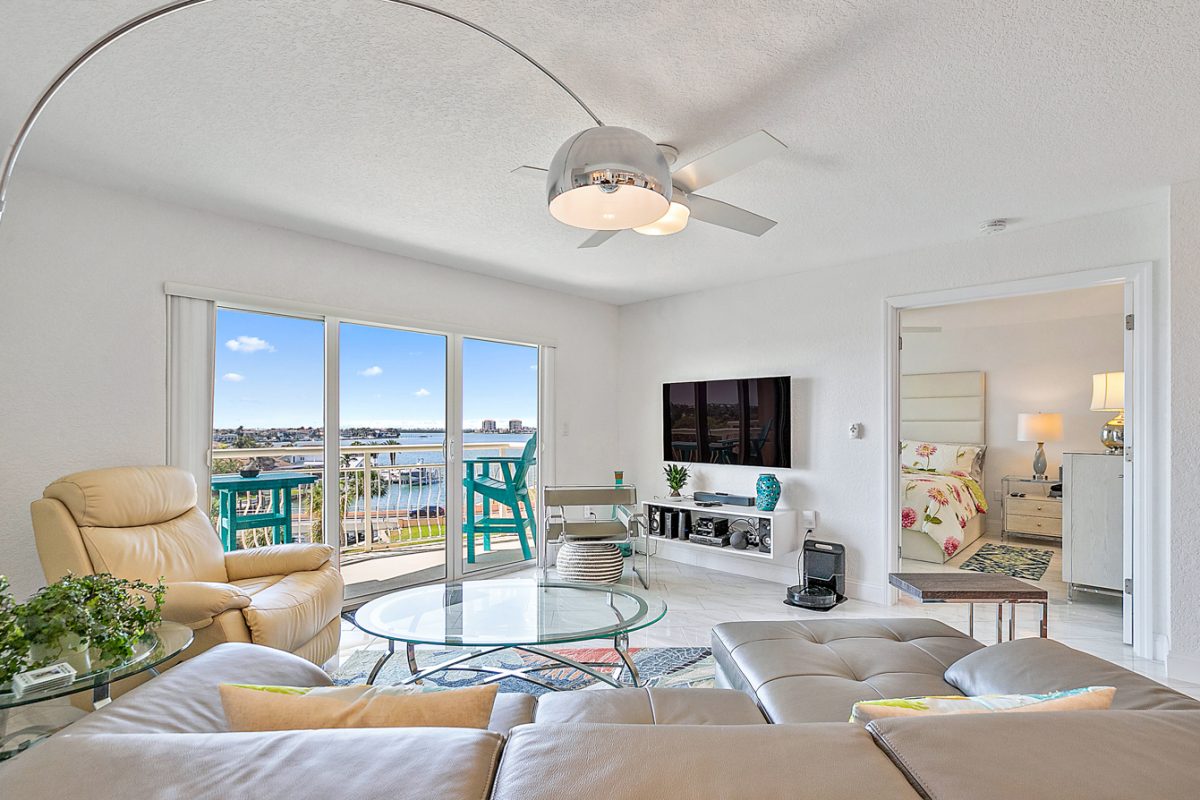
Imagine a sunlit living room. With traditional photography, you might lose the intricate details of the furniture bathed in sunlight while attempting to capture the shadowy corners. However, HDR photo editing allows you to capture the intricate details of both areas, presenting a balanced and realistic representation of the living space.
Benefits of HDR Photo Editing for Real Estate:
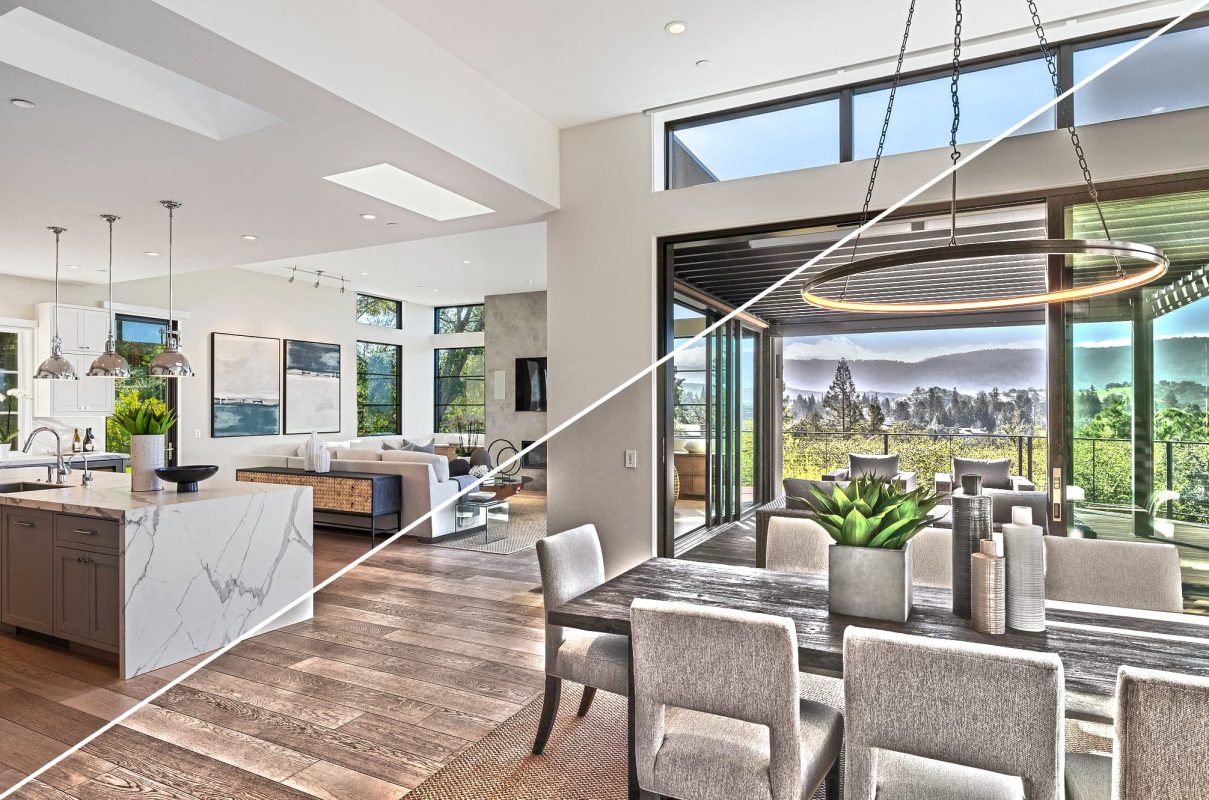
- Enhanced Detail: HDR reveals hidden details in both highlights and shadows, offering a more accurate and comprehensive representation of the property. This is particularly crucial for showcasing architectural features, intricate interior design elements, and the overall ambience of the space.
- Increased Visual Appeal: HDR images capture a wider range of colors and tones, resulting in a more vibrant and visually appealing image. This captivating aesthetic instantly draws viewers in, allowing them to envision themselves living in the space.
- Realistic Representation: HDR strives to capture a scene closer to how the human eye perceives it, offering a more realistic representation of the property. Potential buyers can get a better sense of the space’s natural light distribution and overall atmosphere.
- Increased Marketability: High-quality HDR photos stand out amongst the competition, grabbing attention and igniting interest in potential buyers. This translates into faster sales and potentially higher asking prices.
The HDR Workflow: Capturing and Processing the Magic
Creating stunning HDR images requires a two-step approach: capturing the source images and processing them using specialized software.
1. Capturing Bracketed Exposures:
- Gear Up: Equip yourself with a DSLR camera and a sturdy tripod. Using a tripod ensures consistent framing across all bracketed exposures, crucial for seamless merging in the editing stage.
- Bracketing Techniques: Enable your camera’s bracketing mode, allowing it to automatically capture a sequence of images with varying exposure levels. Aim for 3-5 exposures, with the middle image serving as the “normal” exposure. Depending on the scene’s dynamic range, you might need more or fewer exposures.
- Exposure Compensation: Experiment with different exposure compensation values. Typically, you’ll want an exposure difference of 1-2 stops between each image in the sequence. For scenes with extreme contrast, consider using larger exposure value adjustments.
- Lighting Conditions: Aim to capture your bracketed shots during optimal lighting conditions. Harsh midday sun can create harsh shadows, making it harder to achieve a natural-looking HDR image. Opt for early morning or late afternoon light for softer shadows and a more balanced feel.
2. Software Magic: Merging and Editing Exposures
- Software Selection: A plethora of HDR software caters to various skill levels. Popular options include Adobe Photoshop (advanced users), Luminar AI (AI-powered editing), Aurora HDR (HDR specialists), Photomatix Pro (advanced HDR features), and HDRify (free option).
- Merging Exposures: Import your bracketed exposures into your chosen HDR software. The software will automatically analyze and merge them into a single HDR image.
- Fine-Tuning the HDR Image: While HDR software does a good job of merging exposures, fine-tuning is often necessary to achieve the desired visual effect. Tools like adjusting global contrast, local adjustments (highlight/shadow recovery), and noise reduction help optimize the final image.
- Color Correction: HDR images sometimes require color balancing, ensuring a natural and pleasing color palette.
- Final Touches: After refining the image, consider minor adjustments like sharpening for added crispness and selective adjustments to draw attention to specific features.
Pro Tips for Mastering HDR Photo Editing:
- Embrace the Tripod: Consistent framing across bracketed exposures is key to a seamless HDR image. Invest in a sturdy tripod for camera stability.
- Exposure Experimentation: Don’t be afraid to experiment with various exposure compensation values while capturing bracketed shots. This allows you to find the perfect
Contact us now:
- Website: https://kolorheaven.com
- Fanpage: https://www.facebook.com/Kolorheaven.services
- Phone: 089 977 91 11
- Email: kolorheaven@cskolorheaven.com
- Work office: 22 TT1 – Tu Hiep auction site, Thanh Tri, Hanoi.
- Designing office: Block TT 56-57, Tran Thu Do road, Ngu Hiep, Thanh Tri, Hanoi, Vietnam