

In the digital age, real estate photos are more than just illustrations of a house – they are the first “door” that opens to the emotions and imagination of buyers. Real estate photo storytelling combined with emotional engagement in real estate marketing and the power of AI video is becoming a golden strategy to turn each frame into a vivid story, helping customers not only see, but also feel the future life inside that house.
What is storytelling in real estate photography?

Real estate photo storytelling is the art of building a story through a series of real estate photos, helping viewers not only see a house, but also imagine the life they will have living there.
For example:
- A luxury waterfront apartment can be told as a story of peace and luxury, with photos of morning sunlight streaming through curtains, a dining table set with glasses of wine, and a balcony overlooking the city.
- A suburban family home can be told with photos of a spacious lawn, a cozy living room, and a kitchen where parents and children prepare meals.
The key is that the photos should not only describe “what is there”, but also convey “what it feels like to live here”.
Why is storytelling important in real estate marketing?
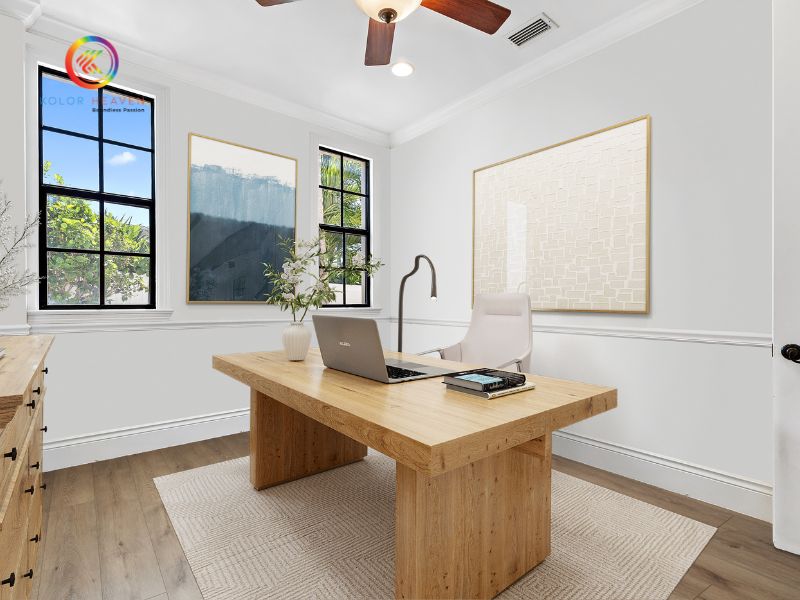
Differentiate in a competitive market
The real estate market is flooded with listings that are similar in information and images. Storytelling helps you stand out by turning information into an emotional experience.
Increase memorability
The human brain remembers images and emotions longer than numbers and technical information. When customers remember the story, they also remember your property.
Drive purchase action
Emotions are an important catalyst in the decision to buy. A good story makes customers imagine themselves living there – the first step to taking action.
Elements of a Compelling Real Estate Story

Core Message
Before you shoot, determine: What story do you want to tell? It could be:
- “A new beginning for the family”
- “High-class lifestyle”
- “Peace in the middle of nature”
This message will guide the entire shooting style, lighting, and composition.
Lighting
Warm light evokes a sense of closeness, natural light creates freshness, and cold light brings a modern touch. Successful storytelling requires consistent lighting to maintain the emotional flow.
Color
Yellow-brown tones are suitable for warm stories; white-gray tones are suitable for minimalist, modern styles; blue-beige tones evoke nature.
Life details
A set of chairs with a folded wool scarf, a vase of fresh flowers, or a steaming cup of coffee… creates the feeling of “someone living here”, helping customers connect more.
Leading Layout
Use visual paths like stairs, hallways, or windows to guide the viewer’s eye through areas, helping the story “flow” smoothly.
Emotional Engagement – Touching the customer’s emotions

Emotional engagement in real estate marketing is a strategy that focuses on stimulating emotions rather than just providing information.
Understand the customer portrait
- Young families: looking for safety and space for their children.
- Single professionals: want comfort and luxury.
- Investors: interested in profitability but still need visual elements for easy resale.
Evoke the imagination
Instead of just taking a picture of an empty room, create a living scene – family dinner, creative desk, quiet reading corner – so that buyers can imagine themselves there.
Use words to accompany the image
In the description, use emotional words: “warm”, “quiet”, “luxurious”, “filled with light” to complement the story.
AI Video – Elevate Your Visual Story
What is AI Video?
AI Video is an artificial intelligence technology that creates videos from still images or data, adding motion effects, background music, and automatic narration.
Advantages when applied in real estate
- Save time editing videos
- Automatically optimize effects to match the content
- Increase the ability to attract attention on social networks
How to integrate into storytelling
- Take photos in story order.
- Arrange photos in AI video software.
- Choose background music and light motion effects to increase liveliness.
- Add subtitles or narration to emphasize emotions.
6-Step Process for Creating a Storytelling Campaign with AI Photos and Videos
- Define Your Message and Target Audience
- Create a Shot List that Matches Your Emotional Flow
- Shoot Photos with Synchronized Lighting and Style
- Edit Photos to Optimize Colors and Keep It Natural
- Import Photos into AI Video Software, Add Effects and Background Music
- Publish Videos and Photos on Websites, Social Media, and Email Marketing
Conclusion
In the fiercely competitive real estate market, real estate photo storytelling combined with emotional engagement and AI videos are a powerful trio of strategies that help differentiate. When customers not only see but also feel, the ability to sell will increase significantly.