
Nowadays, the real estate buying journey starts with a smartphone. Statistics show that up to 97% of buyers use their phones to search, compare, and track listings. This makes mobile-optimized real estate photos a core part of any online marketing strategy. If images don’t load fast, appear cropped incorrectly, or are not mobile-friendly, buyers may leave within seconds. In contrast, responsive real estate images not only display sharply across all screens but also help retain visitors, generate more inquiries, and create a strong competitive edge.
What Are Mobile-Optimized Real Estate Photos?

Mobile-optimized real estate photos are images that are processed and formatted to display smoothly, clearly, and quickly on smartphones. Unlike photos optimized only for desktops, these ensure that whether buyers browse on iPhone, Android, or tablets, images automatically adjust responsively without losing critical details.
This concept is tied to responsive real estate images – a technique that allows images to scale flexibly according to screen size. It’s not just a technical factor but one that directly impacts user experience, SEO performance, and conversion rates.
Common Issues When Photos Are Not Mobile-Optimized
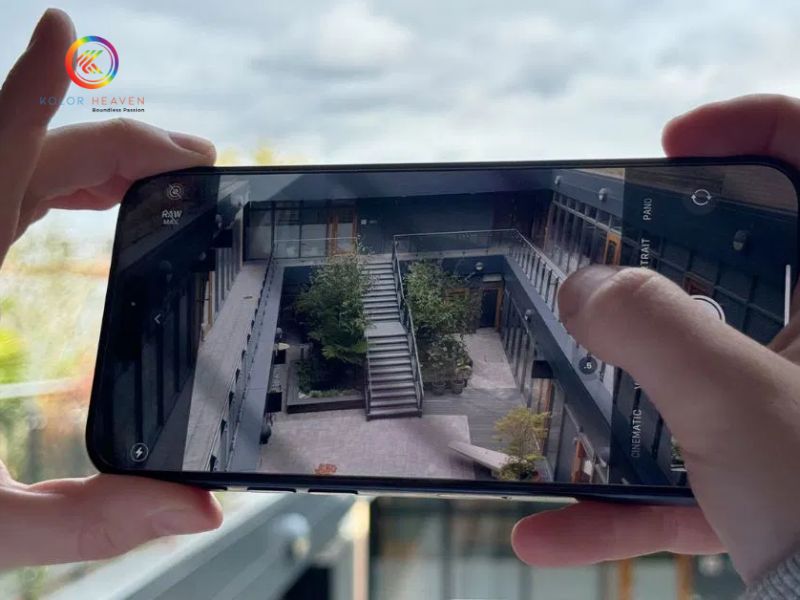
Risks of not optimizing for mobile: Many real estate websites look “great on desktop but poor on mobile.” Typical issues include:
- Blurry or pixelated images when zoomed on small screens: Often caused by low resolution or incorrect resizing.
- Slow loading due to oversized files: Buyers typically leave if an image takes more than 3 seconds to load.
- Broken layouts from non-responsive images: When images don’t scale to mobile frames, page layout becomes distorted and unprofessional.
- Incorrect cropping that loses key details: For example, a property’s front gate missing or a project logo cut out of the frame.
These problems not only frustrate viewers but also reduce agent credibility, lower inquiry rates, and may cause listings to “die” on MLS platforms.
Best Practices for Mobile-Optimized Real Estate Photos
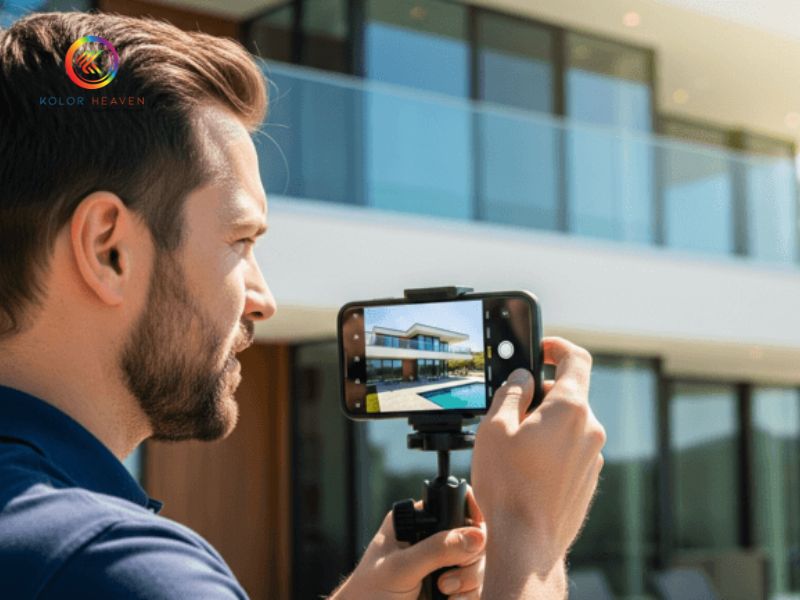
To address these issues effectively, here are key mobile-first optimization principles for photographers and agencies:
- Choose appropriate image dimensions
Images should not be too large (causing slow load) or too small (losing detail). A common recommendation is 1200px width for most devices. - Use modern image formats
Traditional JPEG and PNG are gradually being replaced by WebP or JPEG XL, which reduce file size by 30–50% while maintaining sharp quality – ideal for mobile-optimized real estate photos. - Apply responsive real estate images
Use the <picture> tag or the srcset attribute in HTML to deliver the right version for each screen size, ensuring images remain responsive across all resolutions. - Balance file size and quality
Use smart compression tools like TinyPNG, Squoosh, or professional export settings in Lightroom. General rule: keep files under 300KB per photo while maintaining detail. - Implement lazy loading
Lazy loading ensures images load only when users scroll into view. This speeds up initial page load and reduces bounce rates.
SEO Impact of Mobile-Optimized Real Estate Photos

Responsive and mobile-optimized real estate images don’t just improve user experience – they also play a key role in SEO.
Google has officially shifted to mobile-first indexing, meaning rankings are based on the mobile version of your site. If your images are not mobile-friendly, your website may rank lower.
Moreover, mobile-optimized real estate photos reduce bounce rates, increase dwell time, and improve overall engagement – all crucial SEO ranking signals. When images load quickly and look good, buyers stay longer, click through more listings, and are more likely to take action such as booking a viewing or submitting an inquiry. In short, photo optimization indirectly drives more leads.
Conclusion
Optimizing real estate photos for mobile is not just a technical step – it’s a crucial sales strategy in an era where 97% of buyers search via smartphones. By applying best practices for mobile-optimized and responsive real estate images, agents can enhance buyer experience, increase inquiries, and shorten sales cycles. With Kolorheaven’s mobile-first real estate photo editing services, your listings will always stand out, load fast, and deliver sustainable competitive advantages in the 2025 real estate market.
Contact us
📞 Phone: +84 0899 779 111
📧 Email: kolorheaven@cskolorheaven.com
📍 Address: 3rd Floor, Block TT 55–56, Tu Hiep, Thanh Tri, Hanoi