

In the competitive world of real estate, where visual appeal plays a pivotal role in attracting potential buyers, mastering the art of lighting is essential for photographers. Proper lighting can transform a space, accentuating its features and creating a welcoming atmosphere that resonates with viewers. In this article, Kolorheaven will explore the importance of lighting for real estate photography, discussing key considerations, techniques, and the impact it has on showcasing properties in the best possible light.
The Significance of Lighting for Real Estate Photography
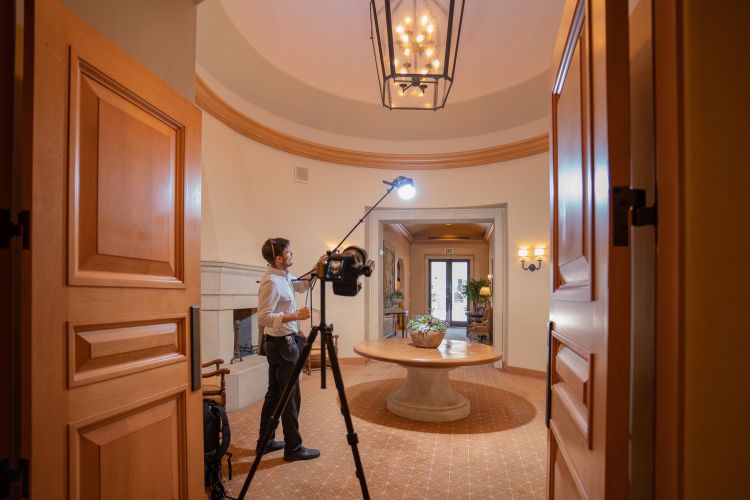
Effective lighting is more than just a technical aspect of photography; it is a crucial component that can make or break the visual representation of a property. Well-thought-out lighting has the power to enhance architectural details, create a sense of warmth, and highlight the unique features that make a property stand out. Here are some key reasons why lighting is crucial in real estate photography:
Accentuating Architectural Features
Proper lighting brings out the architectural details that define a property. Whether it’s the texture of exposed brick, the intricate design of molding, or the grandeur of a staircase, well-placed light can accentuate these features, adding depth and visual interest to the images.
Creating a Welcoming Atmosphere
The right lighting can transform a property into a warm and inviting space. In real estate photography, creating a sense of coziness and comfort is vital to help potential buyers envision the property as their future home. Thoughtful lighting choices contribute to the overall ambiance of the space.
Balancing Light and Shadow
Achieving a balance between light and shadow is essential in real estate photography. Harsh shadows can detract from the visual appeal of a space, making it appear less inviting. Proper lighting techniques help minimize harsh shadows, ensuring that each area of the property is well-lit and details are clearly visible.
Showcasing Indoor and Outdoor Spaces
Real estate photography encompasses both indoor and outdoor spaces, each requiring a tailored approach to lighting. From well-lit living rooms to inviting outdoor patios, the right lighting ensures that every area is showcased in its best light, creating a cohesive representation of the entire property.
Emphasizing Focal Points
Every property has focal points that deserve special attention. Whether it’s a statement fireplace, a gourmet kitchen, or a breathtaking view, strategic lighting can draw the viewer’s eye to these focal points, making them the highlight of the photographs.
Key Considerations for Lighting for Real Estate Photography
Natural Light vs. Artificial Light

Natural light is a valuable resource in real estate photography, especially for capturing the ambiance of a space. However, relying solely on natural light may not be sufficient, especially in dimly lit interiors or during specific times of the day. Combining natural light with well-placed artificial light sources, such as flashes and softboxes, allows for greater control and flexibility.
Time of Day
The time of day significantly influences the quality and direction of natural light. Golden hours, shortly after sunrise and before sunset, provide soft, warm light that enhances the overall visual appeal of a property. Understanding the impact of different times of the day on lighting conditions allows photographers to plan their shoots for optimal results.
Color Temperature
Pay attention to the color temperature of the light sources used. Different light sources emit light with varying color temperatures, ranging from warm (yellow/orange) to cool (blue). Consistency in color temperature is crucial for creating a cohesive look in real estate photographs. Adjust white balance settings to achieve accurate color representation.
Layered Lighting
Layered lighting involves using a combination of ambient, natural, and artificial light sources to achieve a balanced and visually appealing result. This technique allows photographers to control the intensity and direction of light, ensuring that each area of the property receives the right amount of illumination.
Lighting Fixtures and Bulbs
Consider the type of lighting fixtures and bulbs used in a property. Different fixtures and bulbs emit light with varying qualities and characteristics. Ensure that lighting fixtures are clean, well-maintained, and equipped with bulbs that complement the overall aesthetic of the space.
Techniques for Effective Lighting for Real Estate Photography
HDR Photography
High Dynamic Range (HDR) photography involves capturing multiple images at different exposure levels and merging them in post-processing. This technique is effective in real estate photography, especially when dealing with challenging lighting conditions. HDR helps preserve details in both highlights and shadows, resulting in well-exposed images.
Read more: Real Estate HDR Photo Editing: Simple but effective
Flash Photography
External flashes are valuable tools for real estate photographers. They provide controlled bursts of light, allowing photographers to fill in shadows and highlight specific areas of a space. Position flashes strategically to avoid harsh shadows and achieve even illumination. Consider using diffusers or bounce techniques for softer, more natural-looking light.
Light Painting
Light painting involves using a handheld light source to selectively illuminate different areas of a space during a long exposure. This technique is useful for highlighting specific details or creating a unique visual effect. Carefully plan the direction and intensity of the light to achieve desired results.
Window Placement
Utilize natural light from windows to your advantage. Pay attention to the placement and orientation of windows in a property. Position your camera to capture the natural light streaming through windows, and avoid shooting directly into bright sunlight, which can cause overexposure.
Exterior Lighting
Exterior lighting is crucial for showcasing a property’s curb appeal, especially during twilight or evening shoots. Ensure that outdoor lighting fixtures are in working order, and consider adding supplementary lighting, such as pathway lights or well-placed spotlights, to highlight key features of the exterior.
Impact of Effective Lighting for Real Estate Photography on Property Marketing
Increased Visual Appeal
Properties with well-lit and visually appealing photographs have a higher chance of capturing the attention of potential buyers. Effective lighting enhances the overall visual appeal of a property, making it more enticing and memorable.
Accurate Representation of Spaces
Proper lighting ensures an accurate representation of the property’s spaces. Details are illuminated, colors are accurately rendered, and the overall atmosphere is faithfully captured. This accuracy in representation builds trust with potential buyers who rely on photographs to make informed decisions.
Emotional Connection
Lighting has the power to evoke emotions and create a connection with viewers. Warm, inviting lighting fosters a sense of comfort and coziness, allowing potential buyers to envision themselves living in the space. This emotional connection can be a decisive factor in the decision-making process.
Showcasing Property Features
Effective lighting brings attention to key features of a property. Whether it’s a stunning fireplace, a spa-like bathroom, or a picturesque view, well-placed lighting ensures that these features are highlighted and become focal points of the marketing visuals.
Competitive Advantage
In a competitive real estate market, where online listings are abundant, properties with professionally lit photographs have a competitive advantage. Eye-catching visuals that effectively showcase a property’s best features can set it apart from similar listings, attracting more potential buyers.
Conclusion
In the intricate dance of real estate photography, lighting takes center stage, influencing the mood, atmosphere, and overall visual appeal of a property. The art of effective lighting involves a thoughtful combination of natural and artificial light sources, attention to detail, and a keen understanding of the unique characteristics of each space.
Photographers who master the techniques of lighting for real estate photography can elevate their work, providing a visual narrative that not only accurately represents the property but also resonates with potential buyers. As the saying goes, “It’s all about lighting,” and in the realm of real estate photography, mastering this art is the key to creating captivating and compelling visuals that leave a lasting impression.
Contact us now:
- Website: https://kolorheaven.com
- Fanpage: https://www.facebook.com/Kolorheaven.services
- Phone: 089 977 91 11
- Email: kolorheaven@cskolorheaven.com
- Work office: 22 TT1 – Tu Hiep auction site, Thanh Tri, Hanoi.
- Designing office: Block TT 56-57, Tran Thu Do road, Ngu Hiep, Thanh Tri, Hanoi, Vietnam