
In today’s competitive real estate market, captivating visuals are essential for grabbing attention and attracting potential buyers. While traditional photography offers a valuable perspective, drone photography takes real estate marketing to new heights, literally. By capturing stunning aerial views, drone photography showcases properties in a way that static ground-level shots simply cannot. This article explores the world of drone photography for real estate, equipping you with the knowledge and techniques to capture breathtaking visuals that will leave a lasting impression.
The Bird’s-Eye Advantage: Unveiling a Broader Perspective
Drone photography offers a unique perspective, allowing you to capture a property and its surroundings from a bird’s-eye view. This elevated vantage point unlocks a wealth of benefits for real estate marketing:
- Showcase Property Context: Drone photography allows you to showcase the property within its broader context. Potential buyers can visualize the surrounding neighborhood, amenities, and overall layout of the land. This comprehensive picture helps buyers understand the property’s lifestyle potential.
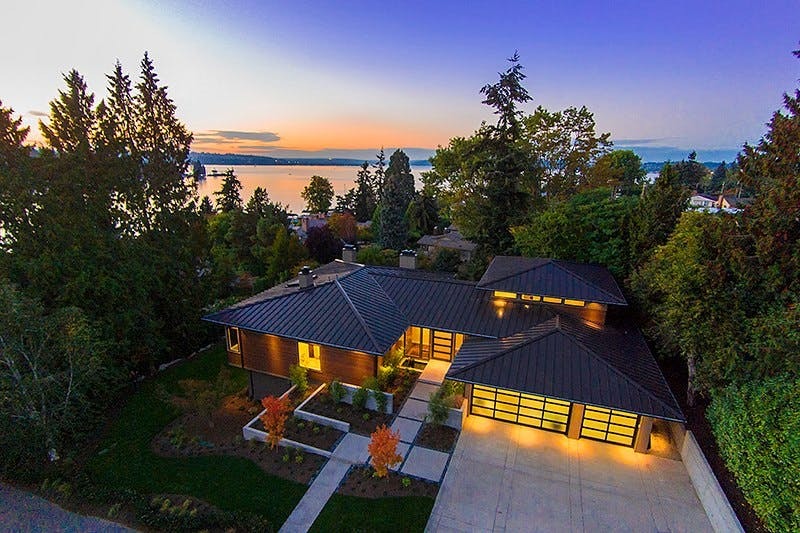
- Highlight Breathtaking Views: Properties with stunning vistas or waterfront locations benefit immensely from drone photography. Drone shots can capture the panoramic beauty of the surroundings, instantly drawing viewers in and igniting a sense of desire.
- Unique Selling Points: Drone photography is ideal for highlighting unique features like sprawling gardens, swimming pools, or private courtyards. These features might go unnoticed in traditional photos, but a drone’s aerial view brings them to the forefront, showcasing the property’s full potential. Drone photo real estate unique selling points
- Dynamic Marketing Materials: Drone footage can be used to create captivating virtual tours or dynamic marketing videos, offering a truly immersive experience for potential buyers. This interactive approach keeps viewers engaged and allows them to explore the property virtually.
Taking Flight: Essential Considerations for Drone Photography
While the benefits of drone photography are undeniable, responsible and safe operation is paramount. Here’s what you need to consider before taking to the skies:
- Legality and Regulations: Drone regulations vary depending on your location. Before taking flight, familiarize yourself with the Federal Aviation Administration (FAA) regulations in the United States or your local aviation authority’s guidelines. This includes registering your drone, obtaining necessary permits for commercial use, and understanding airspace restrictions.
- Safety First: Always prioritize safety when operating a drone. Ensure you are in a safe and controlled environment, away from power lines, crowds, and airports. Be mindful of weather conditions and avoid flying in high winds or low visibility.
- Skill and Experience: Operating a drone requires skill and practice. Hone your piloting skills in open areas before attempting real estate photography. Mastering camera controls and understanding the nuances of aerial video capture are crucial for capturing high-quality visuals.
Capturing the Perfect Shot: A Drone Photography Workflow
Planning and preparation are key to capturing stunning real estate drone footage. Here’s a comprehensive workflow to guide you through the process:
1. Pre-Flight Planning:
- Scouting the Location: Visit the property beforehand to assess the surrounding area, identify potential obstacles, and determine the best flight path for capturing captivating visuals. Familiarize yourself with any airspace restrictions that might affect your flight plan.
- Weather Check: Weather plays a crucial role in drone photography. Opt for clear skies with minimal wind for optimal results. Avoid flying in rain, snow, or high winds, as these conditions can affect your drone’s stability and image quality.
- Gear Up: Besides your drone and a fully charged battery, pack extra batteries, a camera with a remote shutter release, and ND filters (neutral density filters) to control light exposure during bright days.
2. Capturing Compelling Footage:
- Mastering Flight Patterns: Utilize various flight patterns like orbit shots, fly-bys, and reveal shots to showcase different aspects of the property and its surroundings. Experiment with different altitudes to capture a variety of viewpoints.
- Composition and Framing: Apply the principles of composition even when capturing aerial footage. Utilize the rule of thirds and leading lines to create visually appealing and balanced shots.
- Lighting and Time of Day: The best lighting for drone photography is often during the golden hour, just after sunrise or before sunset. This timeframe offers warm, diffused light that creates a more aesthetically pleasing image.
3. Post-Processing Magic: Bringing Your Vision to Life
Drone footage often benefits from some post-processing to enhance its visual impact. Popular editing software like Adobe Premiere Pro or Final Cut Pro allows you to:
- Color Correction: Adjust the color balance and saturation of your drone footage to match the overall aesthetic of your real estate photography. Ensure consistent color grading across both ground-level and aerial shots.
- Stabilization: Utilize stabilization tools to eliminate any shakiness or jitters in your drone footage. This creates a smoother and more cinematic viewing experience.
- Cropping and Straightening: Crop your drone footage to remove unwanted elements or adjust the horizon for a perfectly level perspective.
- Sharpening: Enhance the clarity and sharpness of your drone footage, especially for details like architectural features or landscape elements. Avoid over-sharpening, which can create unnatural artifacts.
Additional Tips for Captivating Real Estate Photography:
- Consistency is Key: Maintain a consistent visual style across all your real estate photography, whether it’s HDR or drone footage. This creates a cohesive and professional presentation.
- Storytelling Through Imagery: Use your photography to tell a story about the property. Capture images that evoke a sense of warmth, comfort, and the lifestyle potential of the property.
- Highlight Unique Features: Showcase the property’s unique selling points through your photography. Draw attention to special features like pools, gardens, or stunning views.
- Target Your Audience: Consider the target audience for your real estate photography. Tailor your image selection and editing style to appeal to the preferences of potential buyers.
By mastering these post-processing techniques and following the additional tips, you can transform your HDR and drone real estate photography into captivating visuals that will leave a lasting impression on potential buyers, setting your listings apart from the competition. Remember, high-quality photography is an investment that can significantly enhance your real estate marketing efforts and lead to faster sales and higher asking prices.
Contact us now:
- Website: https://kolorheaven.com
- Fanpage: https://www.facebook.com/Kolorheaven.services
- Phone: 089 977 91 11
- Email: kolorheaven@cskolorheaven.com
- Work office: 22 TT1 – Tu Hiep auction site, Thanh Tri, Hanoi.
- Designing office: Block TT 56-57, Tran Thu Do road, Ngu Hiep, Thanh Tri, Hanoi, Vietnam