
In the digital age, images are not only a means of illustration but also a powerful sales tool. Especially in real estate, where customers often make decisions based on visual emotions, high-quality real estate images can make the difference between a successful transaction and a missed opportunity. This article will analyze in detail the importance of real estate photography and suggest ways to take advantage of real estate photo editing services to optimize images and improve sales efficiency.
US Market Context
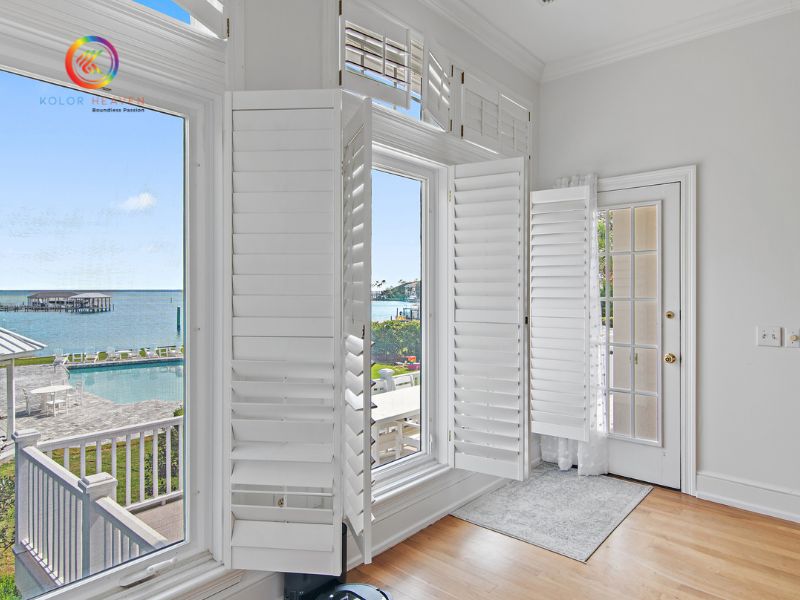
In the US, real estate photography has long been the industry standard. According to statistics from the National Association of Realtors (NAR):
- 97% of homebuyers search for real estate online, and images are the first thing they notice.
- Properties with high-quality real estate images typically sell 32% faster and for an average of 5–10% higher prices than listings without images.
- In a highly competitive market where thousands of listings are posted every day, the importance of real estate photography is increasingly affirmed as an indispensable “visual sales tool”.
Insight from photographers
Real estate photographers share that:
- 80% of the success of a photo shoot comes not only from skills, but also from the ability to capture the “story” of the house – knowing how to make an empty space warm, or make a small apartment look more spacious.
- With the development of AI virtual staging and HDR blending automation, photographers today not only “shoot” but also become visual storytellers, combining technology to save post-production time, while increasing the value of the service.
- They recognize that high-quality real estate images are not simply beautiful, but also a “certificate of trust” that helps brokers build credibility and convince customers to act quickly.
Why are high-quality images important in real estate?
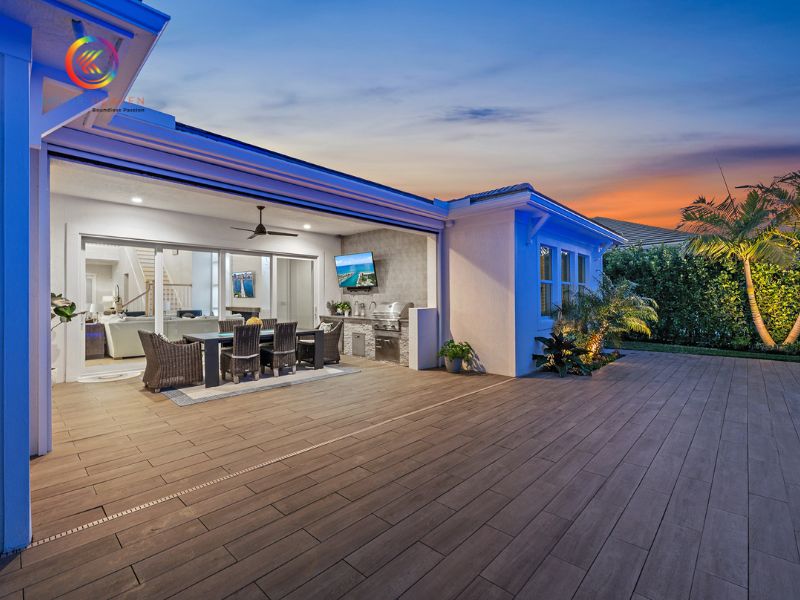
Today’s real estate market is increasingly competitive. A property can appear alongside hundreds of other listings on e-commerce platforms, brokerage websites or social networks. In that context, the image factor is the first “gateway” to attract the attention of buyers.
- Buyers often look at photos before reading the description: According to research by the National Association of Realtors, more than 87% of home buyers decide to click on a listing based on the quality of the images. This emphasizes the importance of real estate photography in creating a first impression.
- High-quality photos increase the value of real estate: An ordinary apartment can become much more luxurious if photographed with natural light, harmonious composition and skillful editing.
- Photos determine the speed of sales: Listings with high-quality real estate images typically sell 30–40% faster than listings using amateur or low-quality photos.
Specific benefits of high-quality images

1. Attract potential customers
During a quick scroll through a website or social network, buyers only have a few seconds to decide whether to click on a listing or not. Beautiful, sharp photos and a standard layout will make the listing stand out, thereby increasing traffic and interaction.
2. Increase the rate of closing transactions
A property represented by high-quality real estate images gives a more trustworthy feeling. Buyers tend to contact more because they trust the professionalism of the owner or broker.
3. Reduce the time the property is on the market
An apartment or house with impressive images often quickly attracts buyers, thereby shortening the “waiting” time and reducing marketing costs.
4. Enhance personal and agent brands
Not only does it help sell real estate faster, quality images also demonstrate professionalism, thereby strengthening the brand of the broker, agent or investor.
5. Save time on post-production
With the support of real estate photo editing services, photos are edited quickly and professionally, helping brokers focus more on sales activities instead of spending time manually processing photos.
6. Increase income
When real estate is sold faster and at a higher value thanks to quality images, brokers and owners have the opportunity to increase profits and optimize investment efficiency.
Factors that create high-quality real estate images

1. Professional photography techniques
- Lighting: take advantage of natural light during the day.
- Composition: use wide angles, arrange the frame reasonably.
- Perspective: highlight the open space and depth of the house.
2. Post-production editing (real estate photo editing services)
Even photos taken by professional photographers need to be edited to achieve maximum effectiveness. The steps include:
- Adjusting color and light.
- Removing unnecessary details.
- Adding blue sky, interior lighting to make the house “warmer”.
3. Modern equipment
DSLR cameras, wide-angle lenses, tripods and drones have become indispensable tools in professional real estate photography. In addition, high-end smartphones combined with editing skills can also create high-quality photos.
4. The difference between amateur and professional photos
A hasty, poorly lit photo makes a room look small and old. Meanwhile, a professional photo with full lighting and reasonable composition can turn the same room into a luxurious space. This is the difference that determines the success of the transaction.
Case Study
- Redfin reports that properties with professional photos sell 32% faster than those with phone photos.
- Higher selling price: Zillow notes that homes with high-quality photos typically sell for 5% to 10% more than their expected price.
- Double online engagement: listings with professional photos get more clicks and calls.
New trends in real estate photography
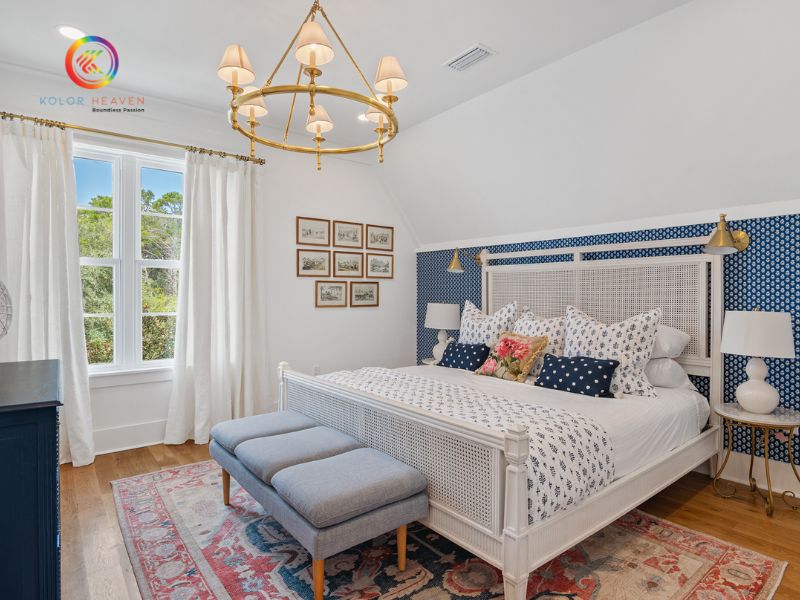
- 360-degree photos and virtual tours (VR/AR): customers can “walk around” the house right on the screen, providing a realistic experience before coming to see it in person.
- Applying AI in photo editing: technology helps to quickly process a series of photos with consistent quality, saving post-production time for photographers and brokers.
- AI Virtual Staging: artificial intelligence allows adding virtual furniture to empty apartments, helping buyers easily visualize the living space without having to spend actual setup costs.
- HDR Blending Automation: technology automatically combines multiple exposure levels to create balanced, sharper and more vivid images, especially useful for spaces with complex lighting.
- Drone photography: provides a panoramic and luxurious view, especially suitable for villas, resorts or large-scale projects.
- Image SEO: optimize file names, alt tags containing keywords such as real estate photography importance to increase visibility on Google, attracting more potential customers.
Solutions for brokers and agents
- Equip yourself with basic skills: know how to take photos with a smartphone or camera with beautiful composition.
- Hire a professional photographer: invest once to have a high-quality photo album, enhance your brand.
- Use real estate photo editing services: help save time, while ensuring that the images always meet the highest standards. This is a solution that many large agents are applying to optimize costs and efficiency.
Conclusion
In the modern real estate market, high-quality images are not only an illustration tool but also a decisive factor in the success of a sales strategy. From attracting attention, creating trust to increasing the value of real estate, the role of images is increasingly clear. If you are looking to increase the rate of closing deals, start with high-quality real estate images and take advantage of real estate photo editing services to optimize efficiency today.